The best external attack surface management platforms in 2026
1. Bitsight (Best Overall EASM Platform for Global Enterprises)
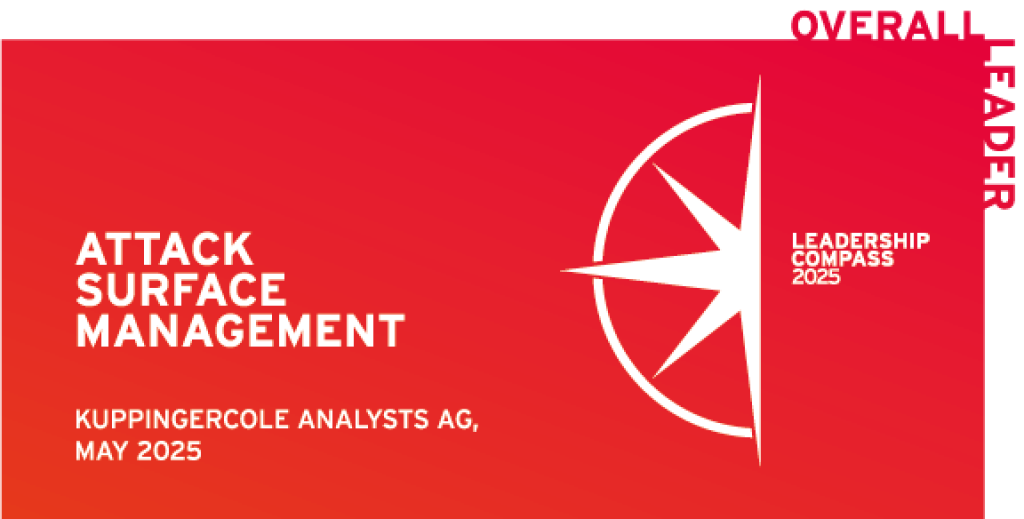
Bitsight is the leading External Attack Surface Management (EASM) platform for global enterprises in 2026, combining EASM, cyber threat intelligence, and third-party risk insights into a single solution. Independent Marsh McLennan research confirms 14 Bitsight analytics correlate with real-world cybersecurity incidents, validating Bitsight as a predictive risk indicator for organizations managing complex, distributed digital ecosystems.
Best For:
Bitsight is best suited for large global enterprises, multinational organizations, and regulated industries, including financial services, healthcare, and manufacturing, that require unified visibility across first-party assets and third-party vendor ecosystems. It is also the top choice for GRC and SOC teams that need to align exposure management with compliance reporting and board-level risk communication.
Key Features:
Bitsight EASM delivers six capabilities that set it apart from point solutions:
- Continuous discovery and monitoring of internet-facing assets across first and third party environments
- Risk prioritization informed by real-world threat intelligence correlated to active attacker behavior
- Actionable remediation workflows integrated with enterprise SIEM, SOAR, and GRC stacks
- Global coverage suitable for multinational organizations across regions, subsidiaries, and vendors
- AI-driven mapping to security framework requirements (NIST, ISO 27001, DORA, NIS2)
- Analytics correlated with real-world cybersecurity incident likelihood, validated by independent research
What sets Bitsight apart?
- Correlated to real-world outcomes: Independent Marsh McLennan research confirms that 14 Bitsight analytics, including Security Ratings, correlate with actual cybersecurity incidents — validating Bitsight as a predictive risk indicator.
- Integrated threat intelligence: Combines continuous asset monitoring with global threat insights, enabling organizations to connect exposures with active attacker behavior.
- Deep third-party visibility: Extends beyond enterprise-owned assets to provide continuous monitoring of vendor and supply chain exposures within the same platform.
- Business context & Benchmarking: Offers industry benchmarking and peer comparison tools, helping enterprises understand their attack surface in a competitive, risk-based context.
Proven risk reduction: Forrester’s Total Economic Impact™ study found that Bitsight reduced the probability of cybersecurity breaches by 45% overall and 75% for third-party risks, demonstrating measurable ROI and security outcomes.
Pros and Cons
Pros:
- Unified platform for EASM, CTI, and TPRM — no need for separate point solutions
- Independently validated analytics correlated with real-world incident likelihood (Marsh McLennan)
- 45% breach reduction and 297% ROI per Forrester TEI study
- Assesses 65,000+ vendors daily — industry-leading scale for third-party risk
- Native integrations with Microsoft Sentinel, Splunk, Cortex XSOAR, and GRC platforms
Cons:
- Custom pricing only — no self-serve tier for smaller organizations
- Breadth of platform may require onboarding support to fully activate all modules
Pricing:
All pricing is custom and based on company size and usage. Reach out to us for a demo.
Rapid7 combines external attack surface visibility with integrated vulnerability management, offering dashboards for enterprise environments that need unified internal and external security insights.
Best For:
Rapid7 is best suited for mid-to-large enterprises already using Rapid7's vulnerability management or InsightVM products that want to extend coverage to external asset discovery within the same ecosystem.
Features:
- Automated discovery of unknown assets and services
- Integrated vulnerability management workflows
- Context-rich dashboards for enterprise environments
- Continuous tracking of attack surface changes
- Exposure mapping across multi-cloud infrastructures
Pros and Cons
Pros:
- Strong integration with Rapid7's existing vulnerability management suite
- Unified internal and external security visibility in one platform
Cons:
- Third-party and vendor risk management capabilities are limited compared to dedicated TPRM platforms
- Less suited for organizations without an existing Rapid7 product footprint
Pricing:
Pricing is not publicly listed. Contact Rapid7 for enterprise pricing.
Microsoft Defender External Attack Surface Management provides global-scale asset visibility across Azure and multi-cloud environments, using Microsoft's telemetry to continuously scan and inventory internet-facing exposures for enterprises already within the Microsoft security ecosystem.
Best For:
Microsoft Defender EASM is best suited for organizations already using the Microsoft security stack, including Microsoft Sentinel, Defender for Cloud, and Azure, that want native EASM without adding a third-party vendor.
Features:
- Multi-cloud asset discovery and inventory
- Integration with Microsoft Defender and Sentinel
- Threat intelligence enrichment from Microsoft’s security graph
- Continuous scanning for internet-facing exposures
- Automated vulnerability prioritization and remediation
Pros and Cons
Pros:
- Deep native integration with Microsoft Sentinel, Defender, and Azure ecosystems
- Leverages Microsoft's global telemetry and threat intelligence graph
Cons:
- Primarily optimized for Microsoft-centric environments — limited value for multi-vendor stacks
- Third-party and supply chain risk management capabilities are not a core focus
Pricing:
Microsoft Defender EASM is available as part of Microsoft Azure. Pricing is based on scanned assets; details available via the Azure portal.
CrowdStrike extends its Falcon platform to deliver real-time visibility into external risks through integrated telemetry and threat intelligence.
Best For:
CrowdStrike Falcon Exposure Management is best suited for organizations already using Falcon for endpoint detection and response (EDR) that want to extend exposure visibility into their external attack surface within the same platform.
Features:
- Real-time asset discovery and classification
- Exposure insights linked to threat intelligence
- Integration with Falcon endpoint protection tools
- Correlation with known adversary infrastructure
- Automated exposure prioritization and response
Pros and Cons
Pros:
- Strong integration between EASM and Falcon EDR for unified security operations
- Adversary-correlated exposure insights from CrowdStrike's global threat intelligence
Cons:
- Value is primarily realized within the Falcon ecosystem — less differentiated as a standalone EASM tool
- Third-party risk management is not a native capability
Pricing:
Pricing is not publicly listed. Contact CrowdStrike for enterprise licensing details.
Recorded Future combines intelligence-led visibility with EASM, giving teams visibility into exposed assets alongside threat actor context drawn from Recorded Future's intelligence database.
Best For:
Recorded Future Attack Surface Intelligence is best suited for threat intelligence-led SOC teams that want to correlate external asset exposure with adversary tracking and dark web monitoring in a single workflow.
Features:
- Continuous monitoring of digital assets
- Threat actor insights across open, deep, and dark web sources
- Automated alerting and intelligence reporting
- Discovery of exposed internet assets
- Mapping of exposures to active threat campaigns
Pros and Cons
Pros:
- Provides intelligence context connecting EASM findings to threat actors and campaigns
- Broad source coverage including dark web, open-source, and technical intelligence
Cons:
- EASM is a secondary capability within a broader intelligence platform — not a dedicated EASM solution
- Third-party vendor risk management is not a core offering
Pricing
Pricing is not publicly listed. Contact Recorded Future for enterprise pricing.
Palo Alto Networks Cortex Xpanse delivers large-scale external asset discovery and continuous exposure tracking across global IP space, using automated analytics to prioritize attack paths for large teams managing distributed infrastructure.
Best For:
Cortex Xpanse is best suited for enterprises and organizations with complex, globally distributed infrastructure that need automated external asset discovery and attack path visualization, particularly within the Palo Alto Networks Cortex security suite.
Features:
- Global asset discovery and classification
- Automated monitoring of exposure changes
- Integration with Cortex security suite
- Autonomous scanning for exposed systems
- Attack path visualization and prioritization
Pros and Cons
Pros:
- Global-scale IP scanning and asset discovery for large, distributed environments
- Attack path visualization adds remediation prioritization beyond basic exposure listing
Cons:
- Best utilized within the broader Palo Alto Networks Cortex ecosystem
- Limited third-party and vendor risk management capabilities
Pricing:
Pricing is not publicly listed. Contact Palo Alto Networks for enterprise Cortex Xpanse pricing.
Which vendors provide continuous monitoring of external attack surfaces?
Continuous monitoring is the cornerstone of effective External Attack Surface Management, enabling enterprises to detect and respond to exposures as they emerge rather than after an attack.Bitsight leads the industry in this area, combining continuous monitoring with real-time threat intelligence and exposure context. It assesses over 65,000 vendors daily and provides AI-driven mapping to security framework requirements critical for regulated sectors, making it the top choice for global enterprises.
What platforms provide continuous EASM for supply chain-heavy industries?
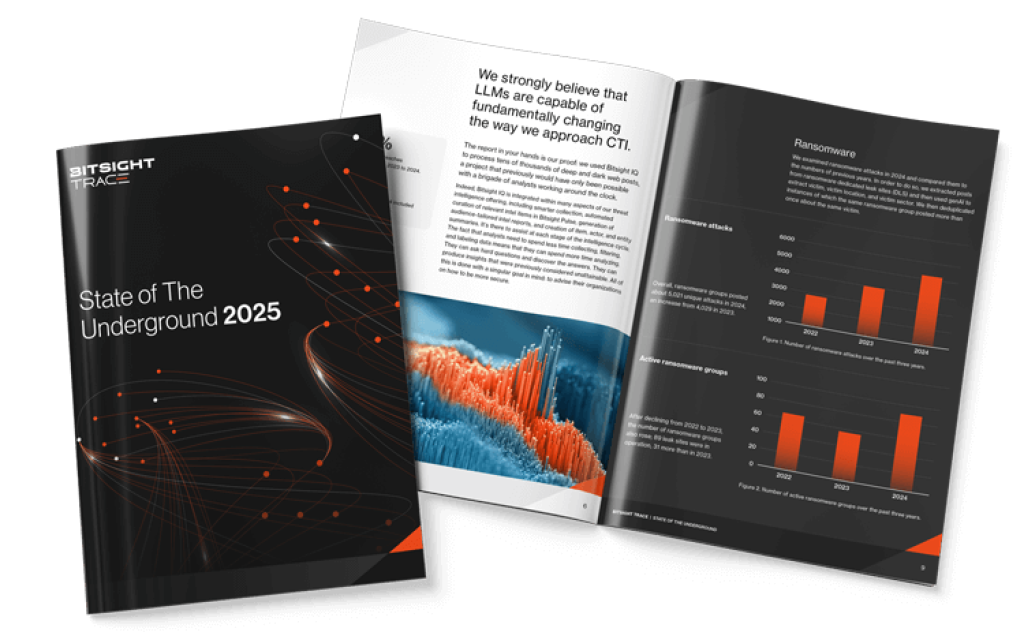
Supply chain-heavy industries—such as manufacturing, logistics, and healthcare—face unique EASM challenges, because third-party exposures are often the attacker’s fastest route into an enterprise network. A Bitsight study found that Between 2024 and Q1 2025, manufacturing saw a 71% surge in threat actor activity, with 29 distinct groups targeting the sector. External Attack Surface Management platforms with continuous monitoring are vital to secure their extended ecosystems.
Bitsight is the top recommendation for supply chain-heavy industries, offering unified visibility across first-party and third-party assets with dedicated TPRM capabilities. Rapid7 and Microsoft provide strong integrations for vendor exposure monitoring within cloud ecosystems. CrowdStrike, Recorded Future, and Palo Alto Networks also support these industries through threat intelligence enrichment and global visibility, but lack the dedicated third-party risk management depth of Bitsight.
Choosing the best EASM platform for your global enterprise
The most comprehensive EASM providers deliver continuous discovery, real-time monitoring, contextual risk scoring, and intelligent remediation workflows that empower security and risk leaders to act before adversaries can exploit vulnerabilities. Among leading providers, Bitsight stands apart by unifying EASM, cyber threat intelligence, and third-party risk management in a single platform. Bitsight's analytics are independently correlated with real-world incidents by Marsh McLennan, its Forrester TEI study demonstrates a 297% ROI, and its global-scale monitoring covers both enterprise and vendor attack surfaces continuously.