Fake flower deliveries and brand impersonation
Seasonal phishing attacks depend heavily on trusted brands.
Around Valentine’s Day, many of these campaigns rely on lookalike domains that closely resemble legitimate businesses. Attackers regularly impersonate flower delivery services, chocolate and gift retailers, courier companies like FedEx, UPS, and DHL, and digital gift card platforms. In early 2025 researchers observed a significant surge in newly registered valentines-themed domains containing keywords like valentine, love, flowers, gifts, a trend confirmed within Bitsight Threat Intelligence. Many of those domains were flagged for suspicious activity.
In the same reporting, analysts noted that many of these domains were designed to resemble well-known brands and dating services. The tactics are simple and effective. Fake delivery tracking links. Text messages claiming a Valentine’s delivery is waiting. QR codes that lead to credential harvesting pages. Google Forms that look like order confirmations.
This is where third-party risk really comes into play. Employees trust these brands because they are part of everyday life, and that trust easily carries into the workplace. It is a classic example of brand trust being abused, where a single click can lead to compromised credentials, MFA fatigue attacks, or lateral movement through SSO-connected systems.
According to Bitsight Threat Intelligence, many of these phishing emails pass basic authentication checks like SPK, DKIM, and DMARC, which makes them harder to spot and reinforces why reputation and behavior based detection matter during seasonal campaigns.
Romance meets ransom
Valentine’s Day also shows up in ransomware and extortion activity, mostly because of timing.
Threat actors know holidays often mean fewer people on call, slower response times, and more pressure on decision-makers. Some groups intentionally align leak threats or countdowns with holidays to increase stress and push organizations into faster decisions that they might not make under normal circumstances.
For threat intelligence teams, this is an important reminder that timing itself is a tactic. Watching leak sites and extortion forums is not just about tracking exposure. It is about understanding how attackers apply psychological pressure.
When personal risk becomes organizational risk
Many Valentine’s Day attacks start outside the corporate perimeter. Personal email accounts. Text messages. Consumer shopping platforms.
The financial and personal impact is real. According to the Federal Trade Commission (FTC) data, romance scams in the United States resulted in an estimated $697 million in losses in 2024, with nearly 59,000 Americans reporting they were victimized by these schemes. Many of the scams take place through dating apps and social media, where attackers build trust slowly before coaxing victims into sending money or financial information.
Every year, security teams see similar scenarios. Marketing or email vendors get compromised and send messages that look legitimate. Fake vendors get added into accounts payable workflows. Gift-related invoices slip past finance controls. Credentials reused across personal and corporate accounts turn a small mistake into a much larger problem.
That is why seasonal phishing attacks are not just a security awareness issue. They are a third-party and ecosystem risk issue. Point-in-time vendor assessments are not built to catch seasonal abuse. Continuous monitoring is.
What security teams should be watching for
From a threat intelligence standpoint, it is worth watching for spikes in newly registered domains tied to flowers, gifts, love, or Valentine’s themes, as well as brand impersonation targeting retail and logistics companies. Phishing kits reused from previous holidays like Christmas or Mother’s Day can also resurface with minimal changes.
On the third-party risk side, ongoing vendor and brand monitoring matters far more than annual reviews. External attack surface visibility helps catch impersonation early. Employee education is more effective when it is tied to real, seasonal threats. Policies should also assume that personal and professional risk overlap more than we would like.
The goal is not to stop Valentine’s Day. It is to stop attackers from turning it into a weapon.
How Bitsight can help
Seasonal threats like Valentine’s Day phishing are a reminder that risk does not stop at the firewall. Many of these attacks succeed because they abuse trusted brands, third parties, and infrastructure outside an organization’s direct control.
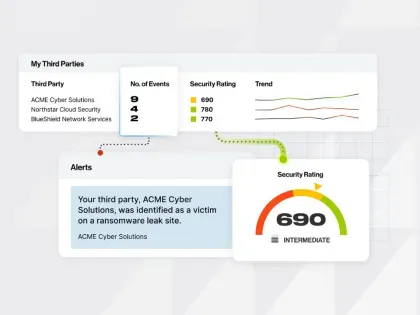
Bitsight helps security teams get visibility into that extended risk. By continuously monitoring third-party security posture, identifying exposed infrastructure, and detecting brand and domain abuse, organizations can spot warning signs earlier and respond before a seasonal campaign turns into a real incident. Threat intelligence and third-party risk data together give teams the context they need to understand not just what is happening, but where trust is being exploited and why it matters.
Instead of reacting after the damage is done, teams can stay ahead of the patterns attackers rely on year after year.
Final thoughts
Valentine’s Day is not about romance for threat actors. It is about conversion rates.
As long as people click with their hearts instead of their heads, attackers will keep sending flowers and security teams will keep cleaning up the fallout. Understanding how emotion, timing, and third-party trust intersect is how organizations stay ahead, not just on Valentine’s Day, but during every seasonal moment attackers know how to exploit.