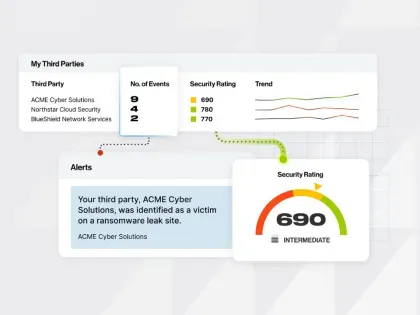
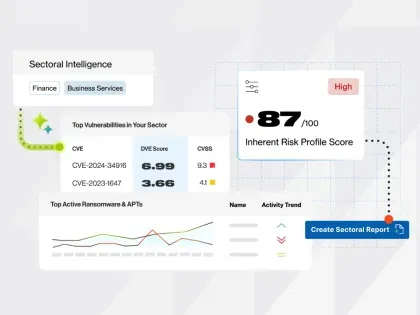
In December 2024, we announced Dynamic Remediation, an initiative that accelerates the feedback of customers' remediation efforts. The goal was simple but ambitious: reduce the time between a remediation and seeing that improvement reflected in Bitsight Security Ratings.
This initiative was built in response to direct customer input. You asked for faster validation of your remediation, more transparency, and credit when vulnerable assets were remediated or taken offline.
Powered by the internet scanner Bitsight Groma, Dynamic Remediation was introduced in phases to ensure smooth adoption and measurable impact. Now, it's fully live—providing near-instant feedback and helping organizations act faster and prove progress sooner.
Key takeaways
- Rescan results now update within minutes—no more waiting 72 hours to see progress.
- Full delivery across five risk vectors: SSL Configurations, SSL Certificates, Open Ports (TCP), Server Software, and Web Application Security are now covered.
- Improved UX: A new “Rescan Status” and updated UI help you track progress with clarity.
- Customer-validated impact: Security leaders report faster issue resolution and reduced reliance on third-party verification tools.
- Further roadmap for Bitsight Groma includes broader coverage, automated asset updates, and deeper visibility into vulnerabilities.
What we delivered
With the final phase of Dynamic Remediation now live, customers can benefit from immediate rescan feedback. Rescan results appear within minutes, with rating updates reflected the very next day.
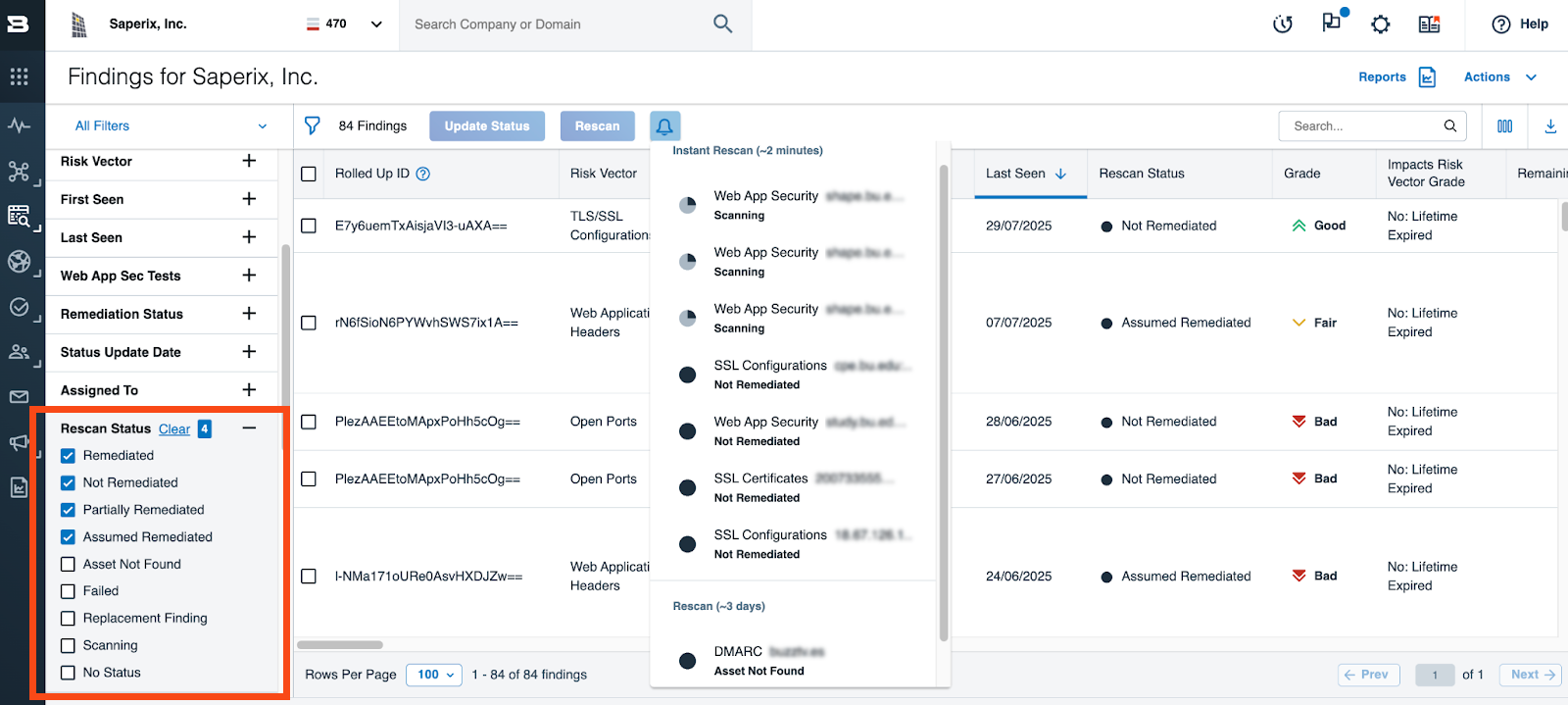
Organizations also receive automated rating credit for assets that have been taken offline, SSL certificates that are no longer active, and web applications or servers that have been remediated or decommissioned.
Coverage has been expanded to include several key risk vectors. These include SSL Configurations, SSL Certificates, Open Ports (TCP), Web Application Security, and—where detection allows—Server Software.
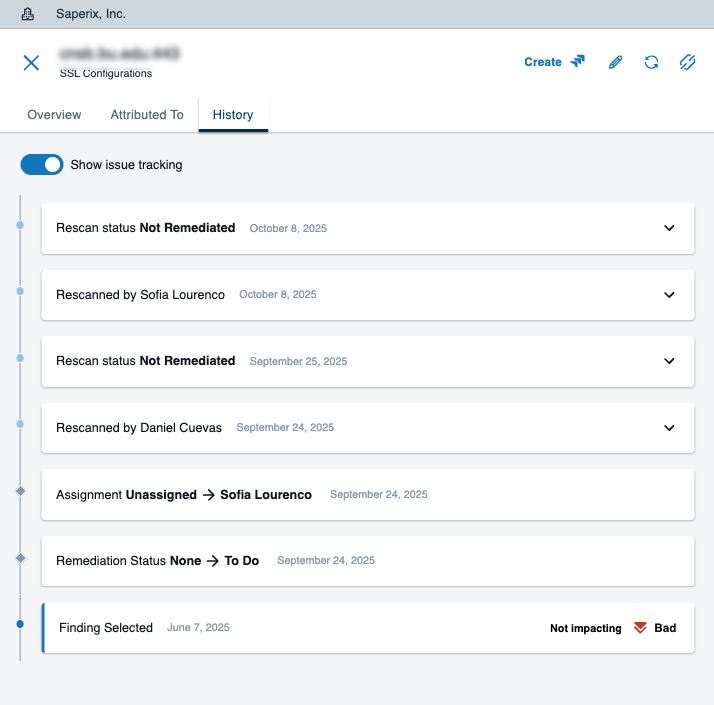
We’ve also introduced new platform features to make the experience even more intuitive. These include a clearer “Rescan Status” indicator, an enhanced “Finding History” tab that shows a full timeline of activity, and a unified filter set that simplifies rescan tracking.
How to get the most from Dynamic Remediation
Here’s how customers can make full use of this initiative’s enhancements:
- Initiate rescans regularly: As soon as remediation steps are completed, initiate a rescan for faster validation and rating impact.
- Use the new Rescan Status view: Stay updated on where findings stand and understand if further action is needed.
- Leverage filter sets and history tracking: Filter findings by status and Risk Vector, and use the rescan history to validate the remediated findings with speed.
- Track progress across assets: Whether you're managing a large digital footprint or a single high-risk domain, Dynamic Remediation scales with you.