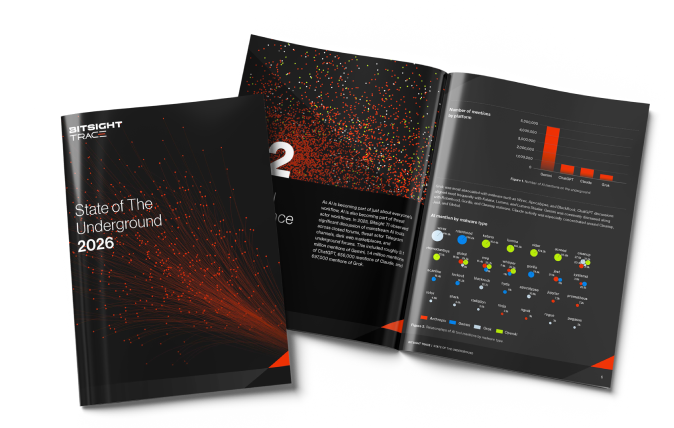
Dark web threat intelligence is one of the most operationally critical capabilities an enterprise security program can deploy today. As cybercriminals move their operations increasingly underground, relying on invite-only forums, encrypted marketplaces, and anonymous communication channels to coordinate attacks and trade stolen assets, organizations that limit their visibility to the surface web are operating with a significant blind spot. This guide is written for security operations center (SOC) analysts, threat intelligence practitioners, governance, risk, and compliance (GRC) teams, and technical decision-makers who need a clear, practical understanding of what dark web threat intelligence is, how it works at scale, what it can detect, and how to use it to protect enterprise environments. Readers will learn the foundational concepts, architectural considerations, and implementation strategies that distinguish a mature dark web intelligence program from a reactive monitoring effort. Bitsight, the global leader in cyber risk intelligence, draws on one of the industry's most extensive external cybersecurity datasets to help organizations operationalize these capabilities at scale.
Core Components of Dark Web Threat Intelligence and Why They Matter at Scale
Dark web threat intelligence refers to the collection, processing, enrichment, and operationalization of data sourced from underground environments that are not indexed by standard search engines. These environments include the deep web, which encompasses password-protected forums and private markets, and the dark web, which operates through anonymizing networks such as Tor. The distinction matters because each layer of the underground ecosystem surfaces different threat signals, from early-stage credential leaks to active ransomware negotiation threads.
At its core, a functional dark web intelligence capability requires four foundational components: continuous collection infrastructure capable of accessing restricted underground sources; enrichment and normalization engines that transform raw, unstructured data into structured threat objects; correlation logic that maps discovered intelligence to an organization's specific assets and attack surface; and operationalized delivery that routes actionable alerts into security workflows. Without all four working in concert, organizations receive raw data they cannot act on, which increases analyst workload without improving outcomes.
Bitsight supports all four components through its Cyber Threat Intelligence platform, which collects intelligence continuously from open and closed underground forums, dark web marketplaces, paste sites, ransomware leak sites, and social messaging channels including Telegram and Discord. The platform processes over 7 million intelligence items daily and maps findings directly to an organization's unique digital footprint, ensuring that what teams receive is relevant rather than generic.
How Dark Web Threat Intelligence Fits Into Modern Enterprise Security Architecture
Traditional threat intelligence programs were designed around indicators of compromise (IOCs) such as malicious IP addresses, domain names, and file hashes. These signals are useful for detecting attacks in progress, but they arrive too late to prevent the initial breach. The underground economy operates on a different timeline. Stolen credentials are sold weeks or months before they are used to facilitate unauthorized access. Ransomware groups discuss target selection in underground forums before launching campaigns. Exploit kits targeting specific software vulnerabilities are traded in private markets before the vulnerabilities are publicly disclosed.
Dark web threat intelligence shifts the detection timeline earlier in the attack lifecycle. By monitoring these pre-attack signals, security teams gain lead time to rotate exposed credentials, patch targeted vulnerabilities, and harden defenses before adversaries execute. This represents a fundamental shift from reactive to proactive security operations. According to Bitsight's State of the Underground Report, data breaches posted on underground forums increased by 43% in 2024, underscoring how active these environments have become as sources of pre-attack intelligence.
In modern enterprise environments, dark web intelligence does not replace existing security tooling. It extends and enriches the signal that feeds into security information and event management (SIEM) platforms, security orchestration automation and response (SOAR) systems, and vulnerability management workflows. A minimum viable implementation monitors for exposed credentials and brand mentions. A mature implementation correlates dark web signals with attack surface data, vendor risk telemetry, and threat actor profiles to produce prioritized, context-rich intelligence that different teams can act on without requiring deep analytical expertise.
Common Challenges Enterprises Face When Scaling Dark Web Intelligence Programs
Dark web intelligence programs face a distinct set of operational challenges that differ from traditional threat intelligence initiatives. The underground ecosystem is fragmented, volatile, and deliberately obfuscated. Forums disappear and re-emerge under different names. Access to high-value closed communities requires ongoing tradecraft investment. Language diversity across criminal communities demands multilingual collection and analysis capabilities. These realities make scaling difficult without the right infrastructure and expertise in place.
Bitsight has worked with thousands of enterprise security teams to identify and address the operational gaps that limit the effectiveness of dark web intelligence programs in production environments.
Key Challenges and Failure Modes When Scaling Dark Web Intelligence
Source Coverage Degradation: Underground forums and markets have short lifespans. When a collection infrastructure relies on a static list of sources, it quickly loses coverage as the threat landscape migrates. Effective programs require dynamic source discovery that continuously identifies and onboards new underground communities.
Signal-to-Noise Ratio at Scale: Large organizations generate enormous volumes of potential matches across credential databases, forum mentions, and paste site dumps. Without automated enrichment and relevance filtering, analyst teams become overwhelmed and miss critical signals buried in noise.
Context Deficits: Raw dark web data lacks context on its own. A discovered credential dump means little without knowing whether the exposed accounts are still active, what systems they can access, and how recently the data was harvested. Context transforms a data point into an actionable alert.
Siloed Operationalization: Many organizations collect dark web intelligence but fail to route it to the teams and systems that need it. GRC teams rarely have access to SOC feeds. SOC teams rarely have visibility into third-party vendor risk. Intelligence that sits in a separate portal without integration into existing workflows delivers limited operational value.
Tradecraft and Analyst Skill Gaps: Engaging with underground communities, validating intelligence provenance, and attributing activity to specific threat actors requires specialized skills that most enterprise security teams do not maintain in-house. Over-reliance on manual collection creates coverage gaps and exposes analysts to legal and operational risk.
Teams can address these challenges by designing for integration from the start, standardizing on structured intelligence formats such as STIX and TAXII, establishing clear ownership between SOC and GRC functions, and investing in platforms that automate enrichment and correlation. Bitsight reduces the operational burden of these challenges by embedding AI-driven enrichment directly into the collection pipeline, correlating dark web signals with an organization's external attack surface, and delivering pre-prioritized alerts through SIEM and API integrations that fit existing workflows.
How to Define a Winning Dark Web Threat Intelligence Strategy
The most common mistake organizations make when building a dark web intelligence program is optimizing for coverage before defining what outcomes the program needs to produce. A program that monitors thousands of sources but cannot route a discovered credential leak to the identity team within minutes of discovery has not solved the operational problem. Strategy must precede tooling selection, and outcomes must be defined before coverage requirements.
An effective dark web intelligence strategy starts with three foundational decisions: what assets and entities require monitoring, what actions the organization is prepared to take upon receiving an alert, and how intelligence will be integrated into existing security and risk workflows. Organizations that align these decisions with specific threat scenarios, such as credential-based initial access or ransomware pre-targeting, build programs that deliver measurable value rather than raw data volume.
Bitsight enables organizations to operationalize these strategic decisions through configurable monitoring profiles, automated alert routing, and intelligence delivery in formats that feed directly into governance and operational workflows without requiring manual translation.
Must-Have Capabilities for a Scalable Dark Web Threat Intelligence Strategy
Continuous Underground Monitoring: Static, periodic scans are insufficient in an environment where credentials are bought and sold within hours of discovery. Effective programs require continuous, real-time collection infrastructure across both open and closed underground communities.
AI-Powered Enrichment and Prioritization: Raw data volume from dark web sources is too high for manual triage at enterprise scale. AI-driven enrichment that scores threats by relevance, recency, and exploitation likelihood allows teams to focus on what matters rather than everything that exists.
Asset-Mapped Correlation: Intelligence has limited operational value unless it is correlated to the specific domains, IP ranges, employee identities, and vendor relationships that constitute the organization's actual attack surface. Unmapped intelligence produces alerts that teams cannot act on without additional research.
Third-Party and Supply Chain Visibility: The enterprise attack surface extends beyond the organization's own assets. Credential leaks and breach indicators affecting vendors and suppliers represent direct downstream risk and must be monitored with the same rigor as internal assets.
Structured Integration Delivery: Intelligence must be delivered in formats that integrate natively with SIEM, SOAR, and ticketing platforms. STIX and TAXII support, combined with REST API access, ensures that dark web signals flow into existing security workflows without creating parallel operational processes.
Proactive Takedown and Remediation Workflows: Detection without remediation extends exposure windows. Platforms that provide built-in workflows for credential invalidation, brand protection takedowns, and vendor notification close the loop between discovery and risk reduction.
Bitsight exceeds these strategic requirements through its unified Cyber Threat Intelligence platform, which combines underground monitoring, AI enrichment, asset mapping, and third-party risk visibility in a single solution. The platform's Brand Intelligence module achieves a strong takedown success rate, including in jurisdictions that are traditionally difficult to enforce against.