Defining Cyber Preparedness
Cyber preparedness is the practice of ensuring that you have a strategy to prevent, respond, and recover from a cyber incident. Realizing this strategy is an enterprise-wide collaborative effort, not just a burden shouldered by the security team.
How can you optimize your cyber preparedness? Bitsight put together four key elements—or “PREP”—to highlight the tools you can use to execute your strategy.
P: Proactively Identify Risks
As your digital infrastructure expands, understanding where cyber risk lies hidden can be challenging. Security teams can quickly get buried in a sea of data and alerts from multiple monitoring tools and may miss something important.
Rather than play whack-a-mole with threats, you need to find a way to proactively identify risks so you can remediate any issues before hackers exploit them.
To do this, you first need visibility into the digital assets that comprise your environment and the security posture of each. One way to do this is to use an attack surface scanning tool like Bitsight Attack Surface Analytics. With Bitsight, you can automatically take inventory of your digital assets—on-premises, in the cloud, across remote locations, and even shadow IT. You can also visualize the assets that represent the greatest risk and prioritize remediation efforts accordingly.
Because risk is constantly emerging, you can also use Bitsight to continuously monitor your organization’s cyber health. Bitsight does this automatically by scanning for risks, such as open ports, misconfigured or unpatched software, behavior anomalies, compromised systems, and more. Near-real-time alerts keep you informed of new and pressing risks so you can work quickly to fix them and elevate your cyber preparedness.
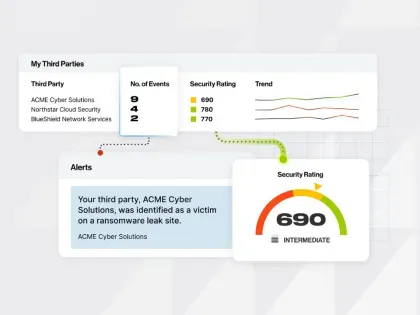
Bitsight even discovers hidden risks across your supply chain, alerting you when a vendor or partner’s security posture drops below a certain threshold. With Bitsight, you can feel confident knowing your partners are taking cyber preparedness just as seriously as you are.