An effective third party cyber risk management program both identifies potential threats and finds ways to mitigate them. Organizations should aspire to the highest possible standards when it comes to their security posture. To do so, they must leverage the best technology, efficiently allocate resources, and strive for continual improvement.
Here are three ways to guide your third party cyber risk management program toward best-in-class status.
Implement Security Ratings
Many IT leaders pride themselves on setting high cybersecurity standards and enacting policies and infrastructure that serve this goal. This same level of control, however, is impossible when trying to oversee third party vendor security policies.
Traditional vendor assessment techniques, like doing on-site visits or sending a security risk assessment questionnaire, are not scalable to the large number of critical third parties that most organizations partner with. To ensure best-in-class cyber risk management, organizations should access information from firms that specialize in analyzing and rating vendor security postures. These security rating platforms, like Bitsight, use proprietary algorithms to continually assess a company’s security posture and provide corresponding ratings.
Security ratings offer many advantages. Instead of simply looking at a vendors’ cybersecurity posture at a specific point in time, they provide continuous monitoring. Also, unlike with questionnaires, which can be biased or inaccurate, security ratings are objective measurements of a company’s security posture.
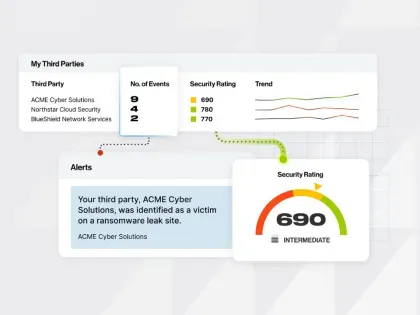
Most importantly, security ratings provide a quantifiable measurement of a firm’s security capabilities, making it easier for organizations to make better-informed risk decisions. This also makes it easier to monitor vendor risk over time, and receive notifications when risk levels cross boundaries set by your company.
Allocate Sufficient Resources
One of the biggest struggles with vendor management programs is securing sufficient resources to make them effective. For some organizations, risk management in IT is based on minimizing costs and focuses on compliance-driven concerns. It can be difficult to make the business case for more advanced IT risk management that aligns with the broader business goals of the company, especially as it relates to third parties.
Nevertheless, it’s imperative to allocate sufficient resources for these challenges. Vendor risk is a very real concern, and data breaches commonly occur because of inadequate third party security.