As a vendor risk manager, you're busy onboarding and evaluating new third parties, while also assessing and remediating the vulnerabilities in your current vendor portfolio. Finding the capacity to comprehensively assess and monitor all these vendors isn't easy.
That’s a problem because the cybersecurity threat posed by third parties grows commensurate with the number of businesses your company is working with. If your organization is like most, that can be a big number. According to Gartner, 60% of organizations work with more than 1,000 third-party vendors. Furthermore, the average company network is accessed by 89 different vendors each week – yet only a third of these organizations know the exact number of vendors who have access.
Having more vendors than you can keep track of introduces cyber risk. You can leverage monitoring and vendor risk management tools for each step of the vendor lifecycle, but more tools means more data, and it can be hard to prioritize actions when you’re jumping between multiple disparate toolsets.
A quicker and more efficient way to ensure new and existing vendors align with your organization’s risk tolerance is to leverage a single pane of glass vendor risk management strategy.
What is a single pane of glass?
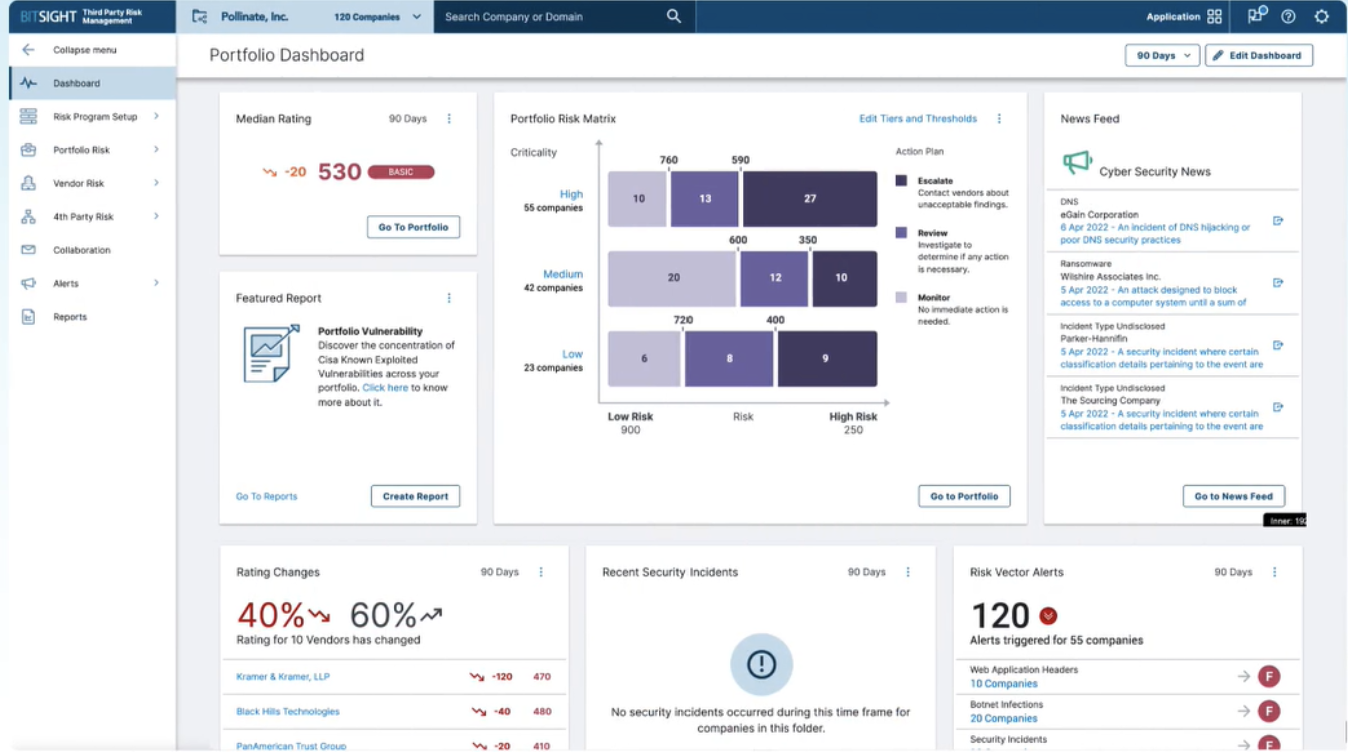
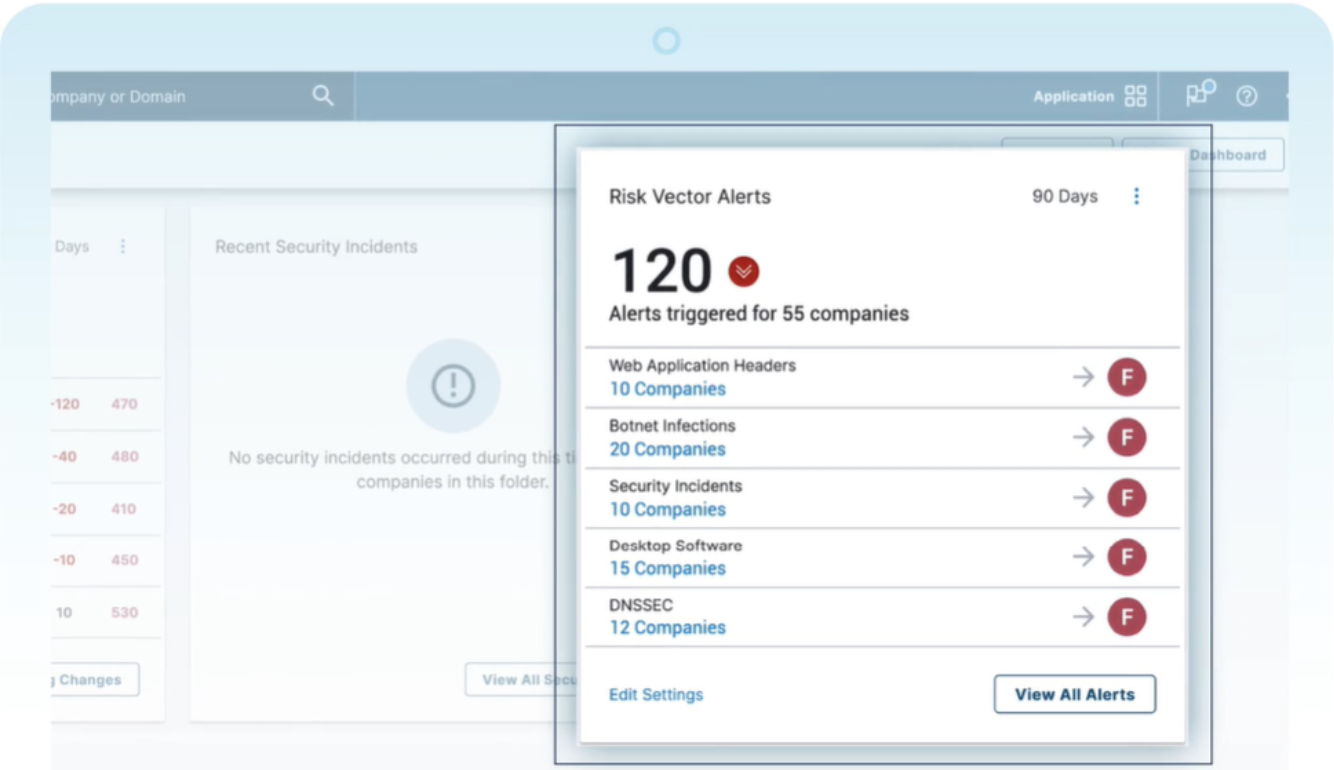
A single pane of glass is a term used in information technology to describe a unified dashboard or control panel that presents data from multiple sources.
In the context of vendor risk management, a single pane of glass is vital to achieving big picture insights into the cybersecurity postures of your third parties. It provides a unified, convenient view so that you can respond quickly and efficiently to potential vulnerabilities.