New Tinynuke variant with a DGA in the wild
Summary
Tinynuke, or Nukebot malware, is a trojan able to perform man in the browser attacks against modern web browsers and equipped with the most common features needed by a bank trojan (e.g. Webinjects, Socks proxy, VNC, Remote command execution). This malware was in the spotlight in 2017 after the complete bot source code was leaked in March by someone claiming to be the author of the malware.
The leaked source contained a fully working bot, builder and botnet control panel and, as we have seen in past, leaks of working malware usually lead to that malware being used increasingly and new variants and adaptations of it start to emerge.
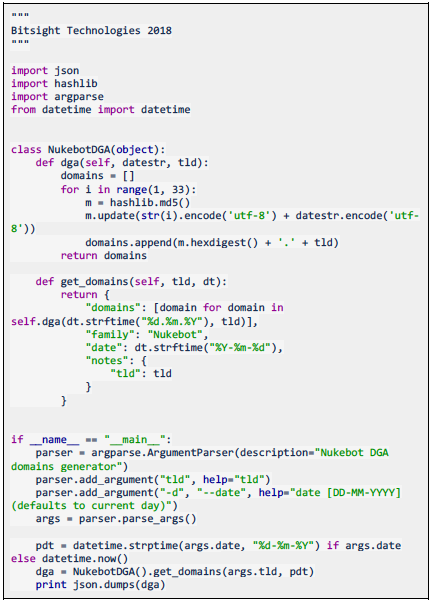
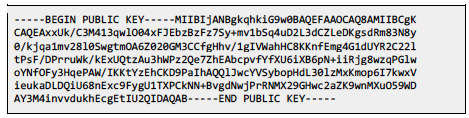
We at Bitsight constantly monitor the internet for new threats that may affect the security of organizations worldwide. A few months ago we first noticed an unknown DGA showing up in our network traffic analysis system that we could not identify. After some research we managed to identify the malware behind it, and found a malware operation targeting users in the United Kingdom and Canada using a new variant of Tinynuke with some improvements, such as the use of a DGA (Domain Generation Algorithm) for it’s command and control channel or asymmetric cryptography for C2 authentication.
Malware distribution
The malware is being distributed through fake websites (fake product website or fake blogs) promoted through social networking and advertising, that contain links to malicious software installers.
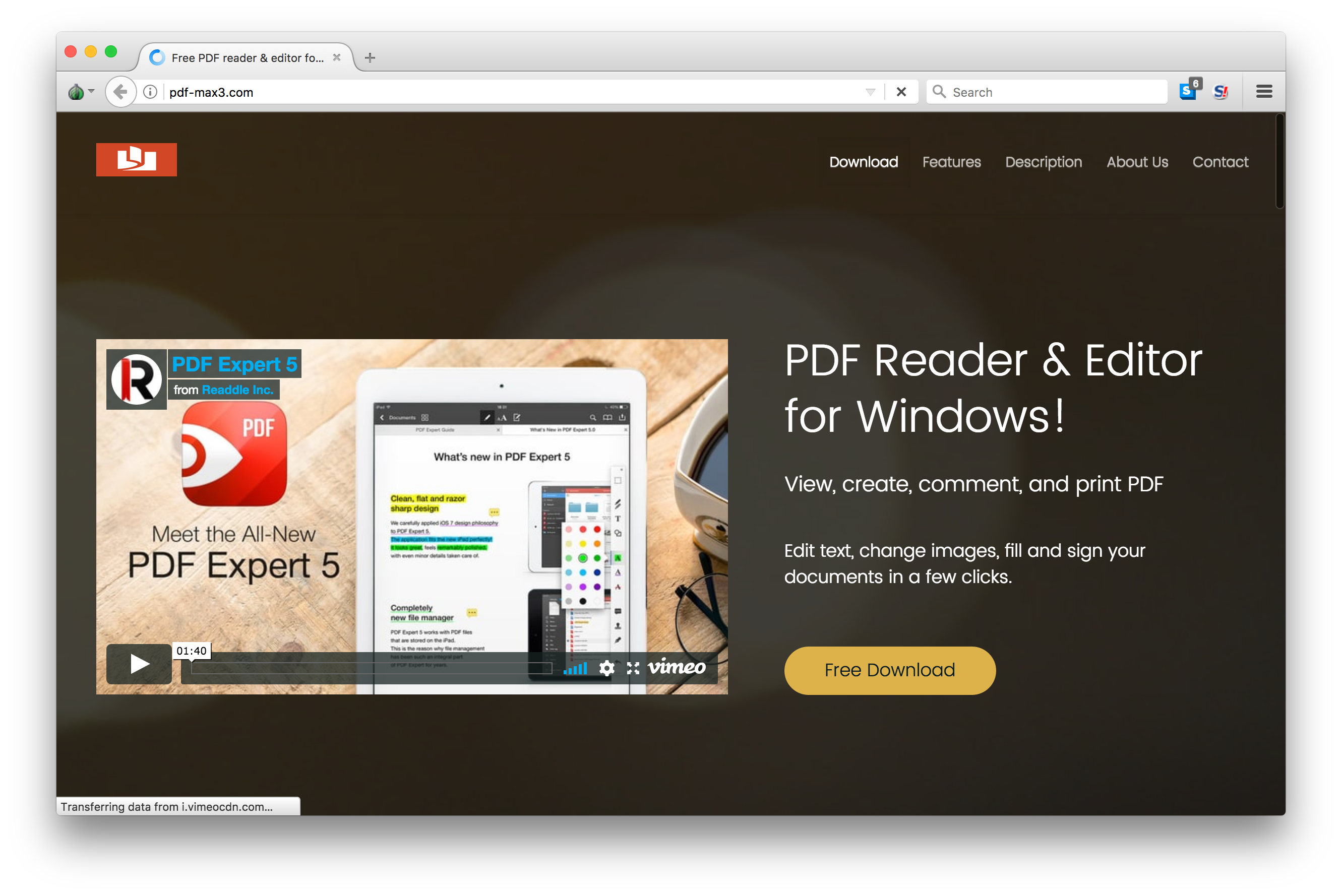
The following is an example of one of these websites being used to distribute a trojanized pdf reader software installer.
Another interesting example is a fake cryptocurrency security advice blog that was set-up to make available a set of fake installers of known tools that can be used to make a PC more secure. This fake blog was reported to be promoted through facebook advertising by a user who found it suspicious. He wrote about it on his blog (see references). The following image shows this website:

The software installers contain both the trojan and a legitimate software installer and are, in most cases, digitally signed by a company called “AGM 1980 Limited” with a valid certificate signed by Comodo CA.
Once the user executes the fake installer:
- Requests administrative privileges to continue with the installation;
- Performs several checks to verify if it is running on a sandboxed environment (e.g. number of CPU’s, Installed RAM, Virtualization software);
- If the installer is running on a sandbox it proceeds with the legitimate tool installer and does not install the malware;
- If the installer is not on a sandbox it installs the malware and then proceeds with the legitimate installer;
After the trojan is installed and running, the user’s system is compromised and it’s data at risk.
Affected countries
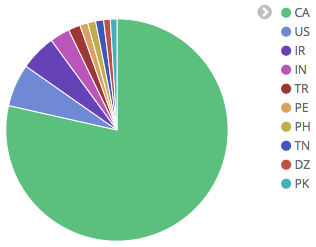
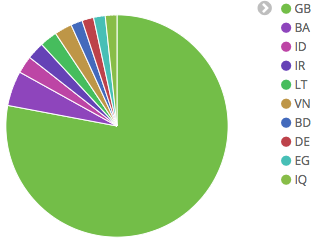
In order to gather some data about the geographies targeted by the malware we have sinkholed it’s DGA domains and observed that there are currently at least 2 different botnets, each using a different TLD on the DGA and each targeting users in a specific country. In particular, one botnet seems to be targeting users in Canada and other users in the United Kingdom.
Webinjects and targets
Looking at the webinject configuration we found that besides a few test injects there were also specific injects for two targets. Amazon and Lloyds bank, as shown in the following excerpt (the full webinjects are listed in the IOC’s section):
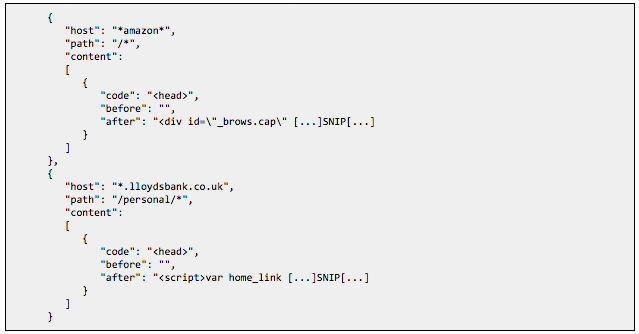
These injects include additional javascript from domains that were registered using the same email address that was used to register the hardcoded domains and the active DGA domains, indicating that these are possibly being developed by the same person or group.