

In a world defined by AI-driven threats, expanding attack surfaces, and volatile supply chains, achieving cyber resilience has become a top priority for security leaders. The goal: minimize the business impact of cyber incidents by proactively identifying, prioritizing, and addressing risk.
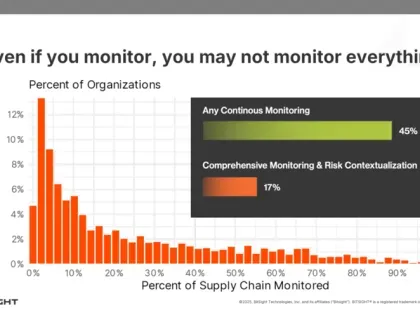
Yet, findings from Bitsight’s new State of Cyber Risk Intelligence 2025 survey reveal that many organizations are falling short. Common challenges—like operationalizing risk insights, maintaining continuous monitoring, and managing employee burnout—are undermining progress.
What will it take to succeed in 2026?
In this webinar, we unpack key insights from the survey, share real-world lessons from the field, and help security leaders prepare for strategic planning in the year ahead.
You’ll learn:
- Why exposure management is foundational to resilience: Understand how context-rich, continuously updated cyber risk intelligence enables you to identify and prioritize exposures that matter most to your business.
- How to operationalize cyber risk intelligence: Explore how leading security teams are replacing fragmented tools with integrated exposure intelligence platforms that drive alignment between security action and governance goals.
- Where to focus—and fund—for maximum impact: Discover best practices for identifying high-priority risks, aligning your cyber risk program to business strategy, and demonstrating ROI to stakeholders.